
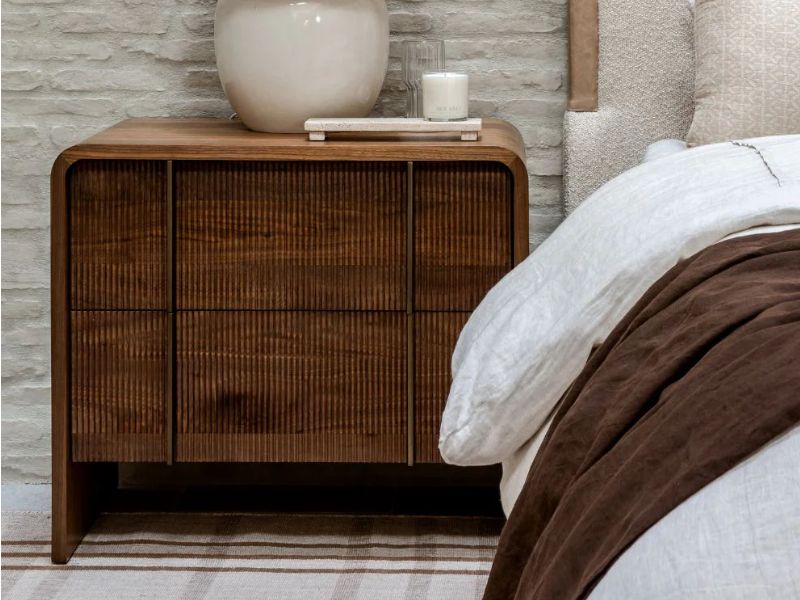
Choosing furniture can get surprisingly hard. Not because you don’t know what you like — but because there are so many variables: size, layout, timber tones, finishes, function, and whether a piece will still feel right a few years from now. If you’re investing in solid wood furniture, the stakes feel even higher.
If you’re feeling stuck, here’s a simple way to move forward without overthinking it.
Step 1: Start with the job the piece needs to do
Before style, start with function. Ask:
- What will this piece be used for daily?
- How many people need to use it?
- Does it need storage, durability, or flexibility?
- What’s the “must-have” (and what’s just nice-to-have)?
Write down 3–5 non-negotiables. This becomes your filter.
Step 2: Measure properly (and measure how you live)
Room dimensions matter — but movement matters more. Measure:
- The footprint you can realistically allocate
- Walkways and door clearance
- How chairs pull out, drawers open, and doors swing
A good rule: leave enough space to move comfortably around the piece when it’s in use, not just when it’s sitting there.
Step 3: Choose a shape first, then a style
When you’re unsure, decide in this order:
- Shape (rectangular, round, oval, square)
- Proportion (long, compact, slim, chunky)
- Details (legs, edges, handles, hardware)
Once the shape is right, styling becomes much easier.
Step 4: Keep timber and finishes consistent (but not identical)
The easiest way to make a space feel cohesive is to repeat undertones.
- If your timber is warm, keep other woods in the warm family
- If it’s cooler/ashy, stay within that range
- Mix textures (smooth + grain + woven + metal) rather than mixing undertones
You don’t need everything to “match” — you just want it to belong in the same story.
Step 5: Decide what should be the hero
Not every piece can be a statement. Choose one:
- A dining table
- A console
- A large sideboard
- A standout light fitting
Let everything else support it. This reduces decision fatigue immediately.
Step 6: If you’re still unsure, reduce the options on purpose
The fastest way to get unstuck is to narrow your shortlist to two or three options max. If you’re comparing ten, you’ll keep looping.
A helpful question:
“Which option would I still choose if I had to decide today?”
A simple checklist before you buy
- Does it fit the space with clearance?
- Does it suit how the room is used most days?
- Will it work with what you already own?
- Can it adapt if you move things around later?
- Do you genuinely like it, or are you trying to make it work?
Need help narrowing it down?
If you want a second opinion, you don’t need a full redesign — just a bit of clarity.
Send us:
- the room (dining / living / bedroom, etc.)
- your rough measurements (or floor plan if you have one)
- 1–2 reference images (optional
- and what the piece needs to do day-to-day
We’ll help you narrow your options and choose with confidence.